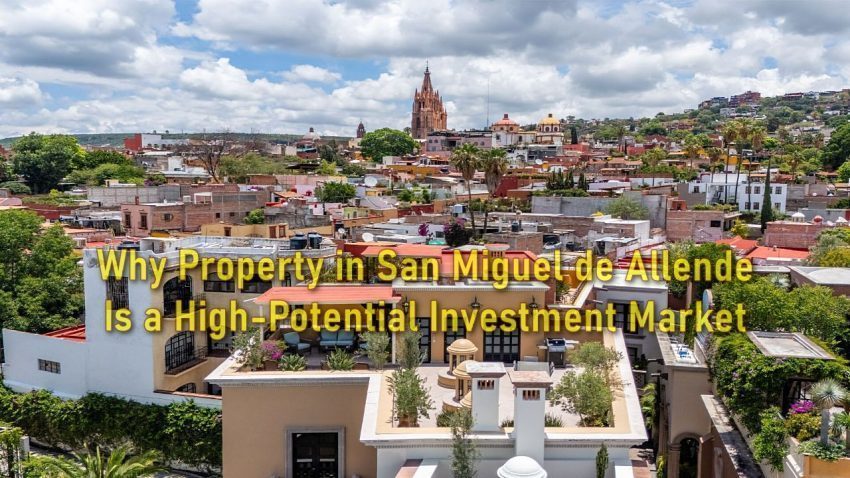
San Miguel de Allende has a rare mix that investors watch for: steady global demand, strong lifestyle appeal, and a built environment that helps preserve the city’s character. It is also a UNESCO World Heritage site, which tends to protect the historic core and reinforce long-term brand value in the eyes of travelers and buyers.
For neighborhood research and local context, start with these resources once, then keep your shortlist tight: https://dreamprohomesluxury.com/san-miguel-de-allende/neighborhoods/ and https://dreamprohomesluxury.com/
A Destination Brand That Converts Visitors into Buyers
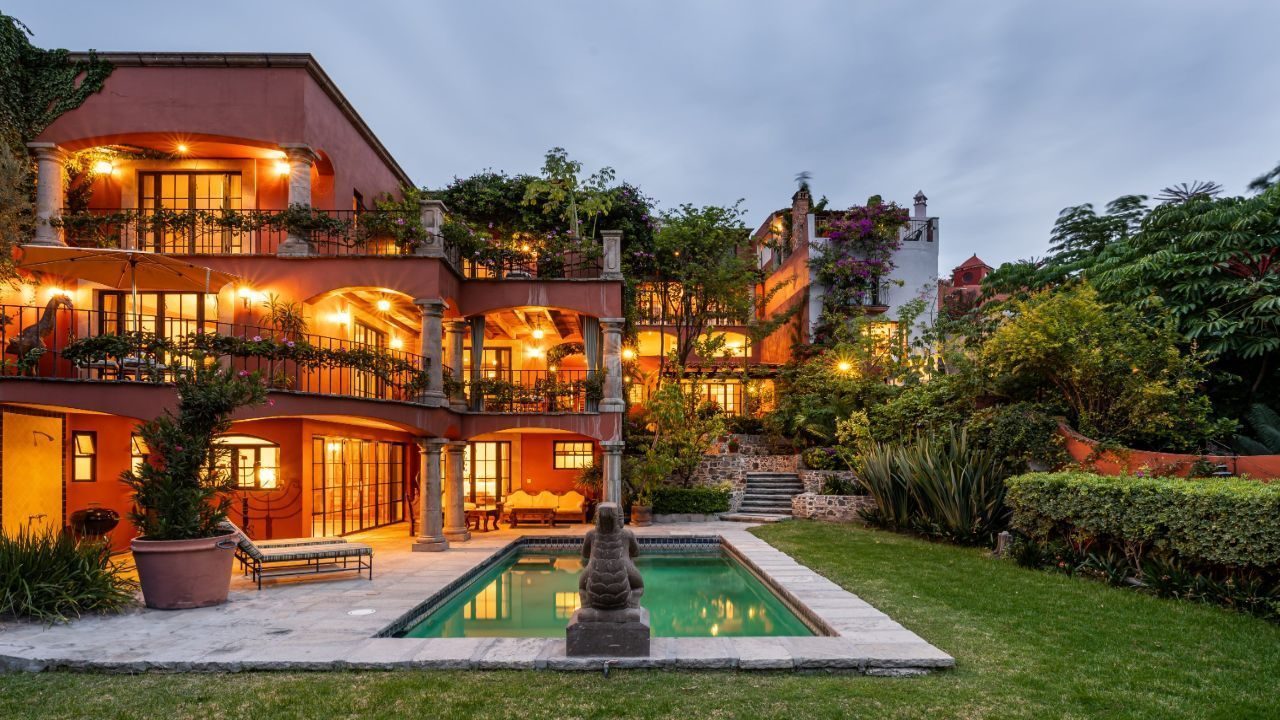
San Miguel de Allende does not rely on a single trend. It performs year after year in global travel rankings, which matters because travel recognition supports the short-term rental market and strengthens resale demand from lifestyle buyers. When a destination keeps showing up in respected travel media, it stays top of mind for people planning return trips and longer stays.
That recognition creates a pattern investors like. People visit, fall in love with the walkability and architecture, then return for longer stays. Over time, some of those longer-stay visitors become buyers. The city’s arts scene, restaurant culture, and boutique hotel ecosystem reinforce that conversion loop without needing gimmicks.
A strong destination brand also improves liquidity. When a market is easy to explain in one sentence, it attracts a wider pool of future buyers. That helps on exit, especially for properties that match what many lifestyle buyers want: turnkey condition, outdoor space, great natural light, and a location that feels unmistakably “San Miguel” the moment someone steps outside.
Heritage Protection and Limited Supply Support Pricing Power
Supply matters as much as demand. In places with unlimited new construction, price spikes can invite waves of inventory that flatten gains. San Miguel de Allende operates differently, especially near the historic center and other high-demand areas, because historic protections and design expectations shape what can be built and how quickly it can be delivered.
In practical terms, this can translate into resilient pricing for well-located, well-finished homes. Buyers are not only purchasing square footage. They are purchasing a specific look, a specific street feel, and access to the cultural core. When that “product” is hard to replicate at scale, quality listings can keep leverage even in slower cycles.
This is also why condition and craftsmanship matter so much here. In a market that values charm, buyers still expect modern performance: solid plumbing and electrical, good water pressure, clean title, and thoughtful climate comfort. Homes that blend authenticity with reliable systems can stand out sharply against dated inventory.
Rental Demand With Multiple Angles: Short Stays, Seasonal, and Mid-Term
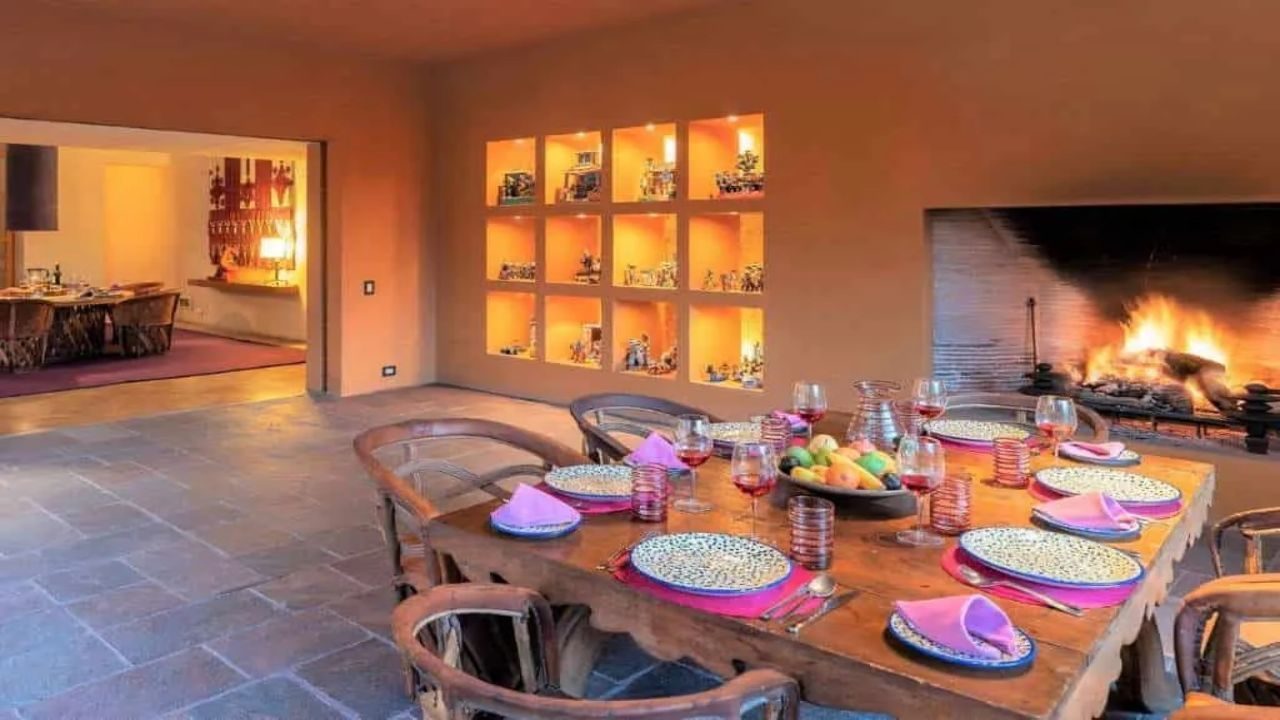
San Miguel’s rental story is not one-note. Short stays can perform well because the city attracts cultural travelers, food travelers, and repeat visitors. Longer seasonal stays also appear, especially among people who want a winter base or a part-time second home in a walkable, architecturally rich city.
That mix matters for investors because it opens more than one strategy. A home near key attractions can do well with shorter stays. A slightly quieter property with outdoor living can attract longer bookings. A comfortable layout with strong internet and a real work setup can perform in the mid-term market, where guests stay for weeks instead of nights.
The most durable rental performers tend to share the same traits: walkable location or easy access to the center, quiet interiors, outdoor space, strong internet, and a layout that feels comfortable for couples or small groups. Mid-term rentals often reward practical features like a well-equipped kitchen, laundry, and calm sleeping spaces.
A Clear Ownership Path for Many Foreign Buyers in Inland Markets
Foreign buyer participation can strengthen demand, but only when the legal path is clear and properly executed. Mexico has special rules for certain zones near coastlines and international borders, which can change how ownership is structured. San Miguel de Allende is inland, and many buyers like that because the path can feel more direct compared to coastal areas.
Even with a simpler path, the process still rewards discipline. Title review, permits, property regime details, and verification of utilities and boundaries can make or break a deal. The investor edge comes from treating due diligence as part of value creation, not as paperwork that slows things down.
Clean documentation also helps later. When it is time to rent or sell, buyers and property managers move faster when improvements are recorded, systems are updated, and the ownership record stays tidy.
Neighborhood Selection as a Value Strategy, Not a Guess

San Miguel is a city of micro-markets. Two homes with similar finishes can perform very differently based on slope, street noise, walk time to key areas, and the feel of the block after dark. This is why neighborhood selection goes deeper than “close to Centro.” Some buyers want immediate access to galleries and restaurants. Others want a quieter residential pocket with views and easier parking.
Think in terms of renter and buyer personas. A short-stay traveler values walkability, charm, and photo-ready spaces. A seasonal renter values comfort, storage, and daily livability. A resale buyer might want both: character plus low-friction ownership. When a property matches a clear persona, marketing becomes easier and vacancy risk often drops.
Also watch replacement cost. In certain pockets, renovations can be complex and timelines can stretch. That can lift the value of a turnkey home with tasteful finishes and proven systems. If a future buyer compares your property to the hassle of rebuilding or reworking an older home, a clean, ready-to-live-in option can command a premium.
Risk Factors and How Strong Investors Manage Them
Every market has risks, and serious investors plan for them upfront. In San Miguel, common pressure points include renovation surprises in older homes, noise and event activity in high-footfall areas, and seasonality that can affect rental pace and rates. The solution is not to avoid the market. The solution is to choose the right asset and build a conservative operating plan.
Start with a realistic budget for maintenance and periodic upgrades, especially for homes with courtyards, roof terraces, and older infrastructure. Then set rental expectations based on seasonality, not peak weeks. If the numbers only work during the busiest weeks, the deal becomes fragile. A steadier plan uses high-season pricing, a smart mid-season approach, and an off-season strategy that protects the property’s positioning.
Finally, protect your exit options. The safest investments are flexible: they rent well, they live well, and they show well. When a home appeals to both renters and lifestyle buyers, you are not dependent on a single buyer type when it is time to sell.