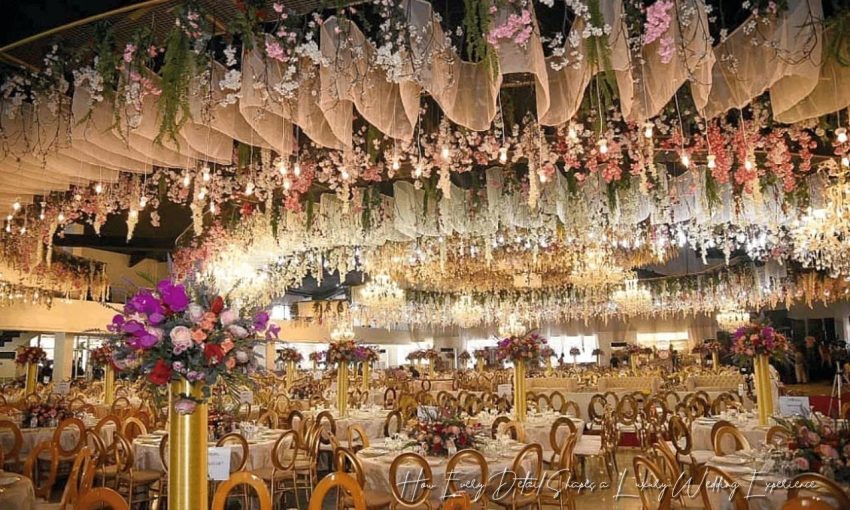
A luxury wedding is more than a big budget. It is the result of intentional choices, from the first dress fitting to the final send-off, where each element reflects the couple’s personality and shared story. Couples who invest in quality over quantity often find that the entire day feels more cohesive and memorable, with each moment flowing naturally into the next.
Choosing the right vendors is one of the earliest and most impactful decisions a couple will make. Boutiques like Luxx Nova Bridal Boutique have built reputations around personalized service, guiding brides through selections that match their individual style and the overall tone of their celebration. When each vendor understands the bigger picture and works toward the same vision, the pieces come together in a way that guests can feel but rarely pinpoint.
Finding the Right Gown for the Occasion
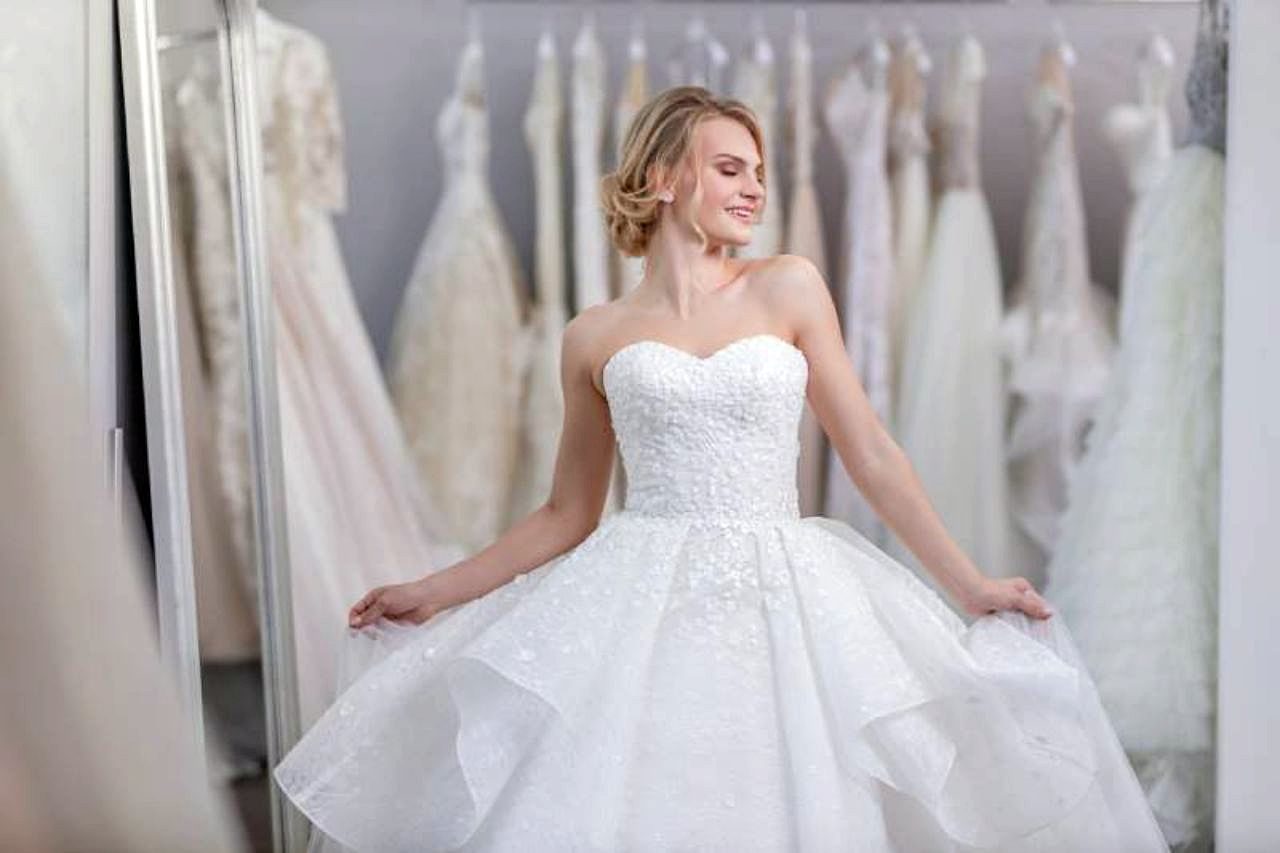
The wedding gown sets the aesthetic direction for almost everything else. Bridesmaids’ outfits, floral arrangements, and even venue lighting often take their cues from the bride’s dress. That is why many planners recommend starting the search early and working with specialists who carry curated, high-quality collections rather than overwhelming inventories.
Brides who explore designer wedding gowns from Luxx Nova often describe the experience as collaborative rather than transactional. The stylists ask about the venue, the season, and the atmosphere the couple wants to create before pulling a single gown. This kind of attention ensures the dress does not just look beautiful on its own but fits seamlessly into the full visual story of the day.
A common mistake is treating the dress as a standalone decision disconnected from the rest of the planning process. The fabric weight, silhouette, and embellishments all influence what works for photography, how freely the bride can move on the dance floor, and how comfortable she will feel through a celebration that may last eight or more hours.
Why Venue Selection Matters More Than You Think
A venue does more than provide a backdrop for photos. It shapes logistics, guest comfort, and the overall flow of the event from start to finish. According to the American Institute of Architects, the design of a physical space directly affects how people experience events within it, a principle that applies just as much to weddings as it does to offices or public buildings.
Indoor venues offer climate control, consistent lighting, and predictability, while outdoor locations bring natural beauty and a sense of openness. The best choice depends on the couple’s priorities, the guest count, the season, and the local weather patterns. Charleston, for instance, offers historic plantations, waterfront properties, and downtown ballrooms that each create a distinctly different atmosphere and guest experience.
Visiting a potential venue in person is worth the effort every time. Photos and virtual tours can be misleading about scale and ambiance, and subtle factors like natural light at different hours, acoustics during toasts, and the availability of on-site parking only reveal themselves during an in-person walkthrough.
Transportation and the Guest Experience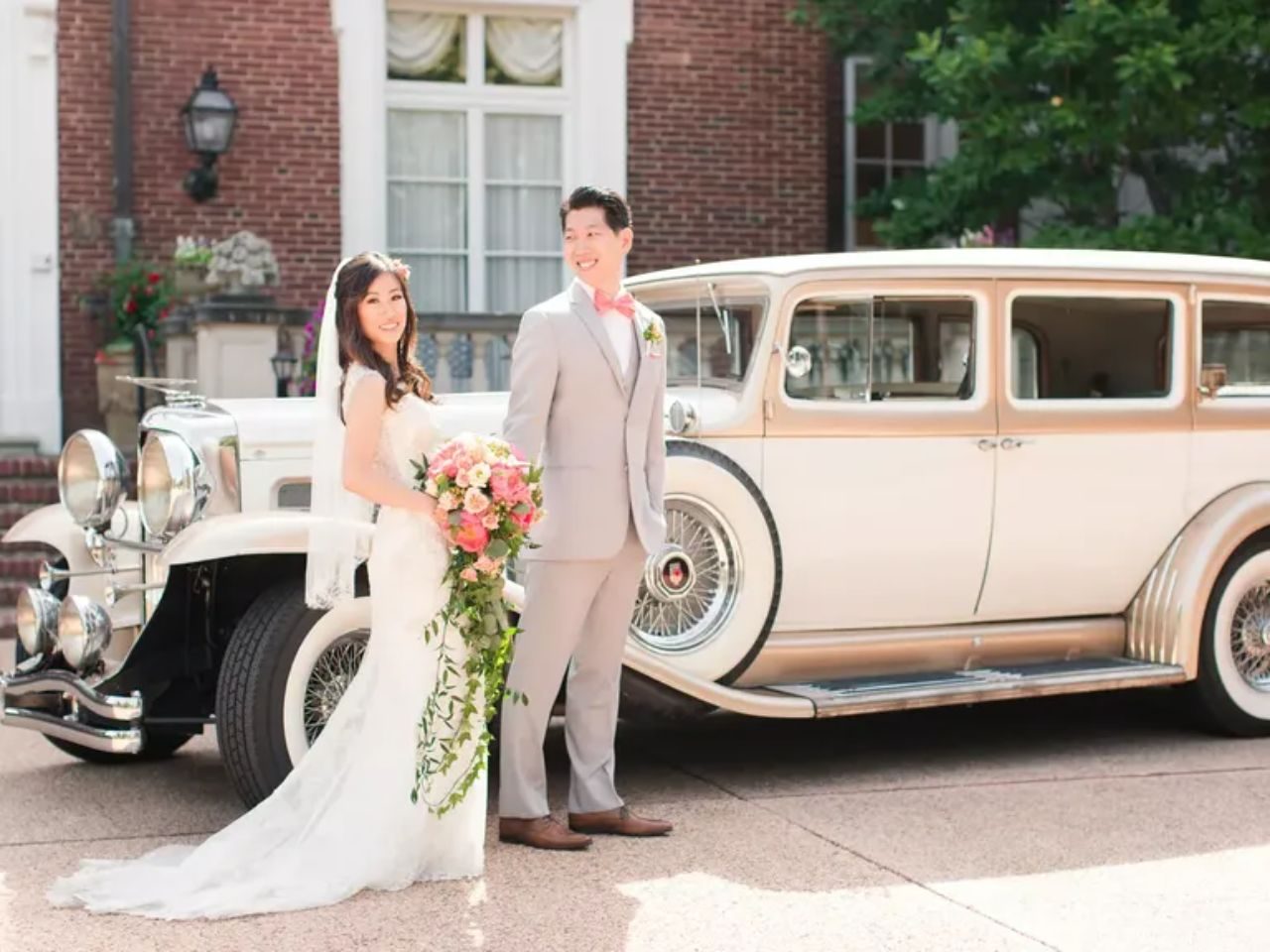
Getting guests from one location to another might seem like a minor logistical detail, but it can make or break the day’s timeline and overall mood. Shuttle services, chartered buses, and luxury car options keep everyone on schedule and remove the stress of navigating unfamiliar roads, dealing with limited parking, or coordinating ride-shares across a large group.
For the couple, transportation is also one of the rare moments of genuine privacy on an otherwise very public day. A comfortable ride between the ceremony and reception offers a few minutes to breathe, take in the significance of the moment, and arrive at the next event feeling composed and present. Many couples look back on that short drive as one of their most intimate memories from the entire celebration.
Coordinating pickup times, routes, and vehicle capacity well ahead of the wedding date prevents the awkward gaps and delays that can throw off a tightly planned reception schedule. A reliable transportation provider will have a dedicated point of contact available throughout the event to handle any last-minute changes smoothly.
Catering That Reflects the Couple’s Story
Food and drink are among the first things guests remember about a wedding, and among the last they forget. A formal sit-down dinner signals elegance and tradition, while a grazing table or themed food stations encourage mingling and set a more relaxed, social tone. Research from Cornell University’s School of Hotel Administration has shown that the way food is presented and served has a significant influence on guest satisfaction at events of all sizes.
Couples who tie their menu to a personal narrative create stronger and more lasting impressions. A taco bar that honors a first date in Mexico City, a late-night pizza station inspired by a favorite neighborhood spot, or a signature cocktail named after a shared inside joke all add warmth and authenticity that guests notice, appreciate, and talk about long after the wedding is over.
Tasting sessions with the caterer well before the wedding are essential. What reads well on a printed menu does not always deliver on the plate, and dietary restrictions or allergies among guests need to be identified and addressed far in advance to avoid day-of surprises.
Making the Most of Your Wedding Day Timeline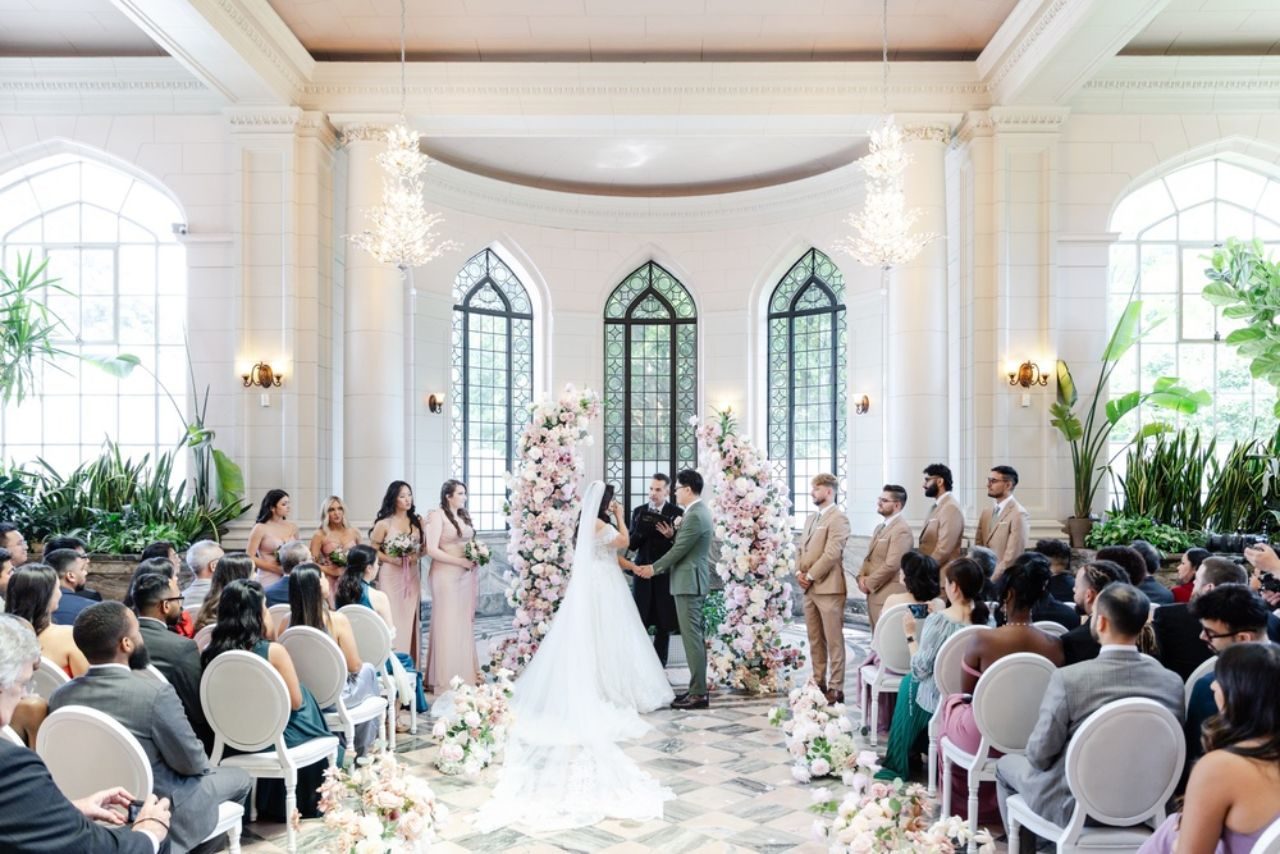
A well-structured timeline keeps the day moving at a comfortable pace without ever feeling rushed or dragging. The key is building in buffer time at each transition point, especially between the ceremony and reception, for portraits, travel, vendor setup, and the unexpected delays that almost inevitably arise. Most experienced wedding planners recommend at least 30 minutes of padding at every major transition.
First look sessions have gained popularity in recent years partly because they free up the post-ceremony window. When the couple’s portraits are already taken care of, they can move straight into cocktail hour alongside their guests instead of disappearing for an extended photo session right after exchanging vows.
Communication is the thread that holds the entire day together. A shared planning document or group chat with all key vendors, including the photographer, DJ, florist, caterer, and transportation team, ensures everyone is working from the same schedule and can adapt quickly if something shifts during the day.