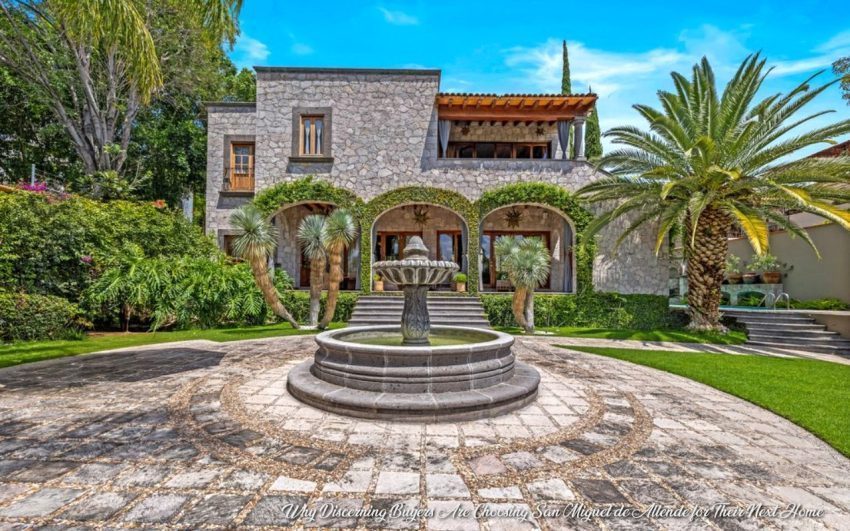
There is a certain kind of buyer who knows the difference between getting from point A to point B and arriving somewhere. The same sensibility that draws people to first-class experiences, whether a private car service for a wedding or a chauffeured transfer through cobblestone streets, tends to show up in how they choose a home. For this buyer, San Miguel de Allende has become a recurring answer. Those working with Berkshire Hathaway in San Miguel consistently describe a market that rewards quality and punishes shortcuts.
San Miguel de Allende sits in the Bajío highlands of Guanajuato state, roughly two and a half hours by road from Mexico City. It is a UNESCO World Heritage Site, but that designation barely captures what draws buyers from the United States, Canada, and Europe year after year. The city has a permanent energy that feels both cultured and unhurried. Festivals, galleries, world-class restaurants, and a spring-like climate that keeps temperatures in the 70s for most of the year create a lifestyle that serious buyers find genuinely difficult to replicate elsewhere.
The Appeal of Colonial Architecture and UNESCO Status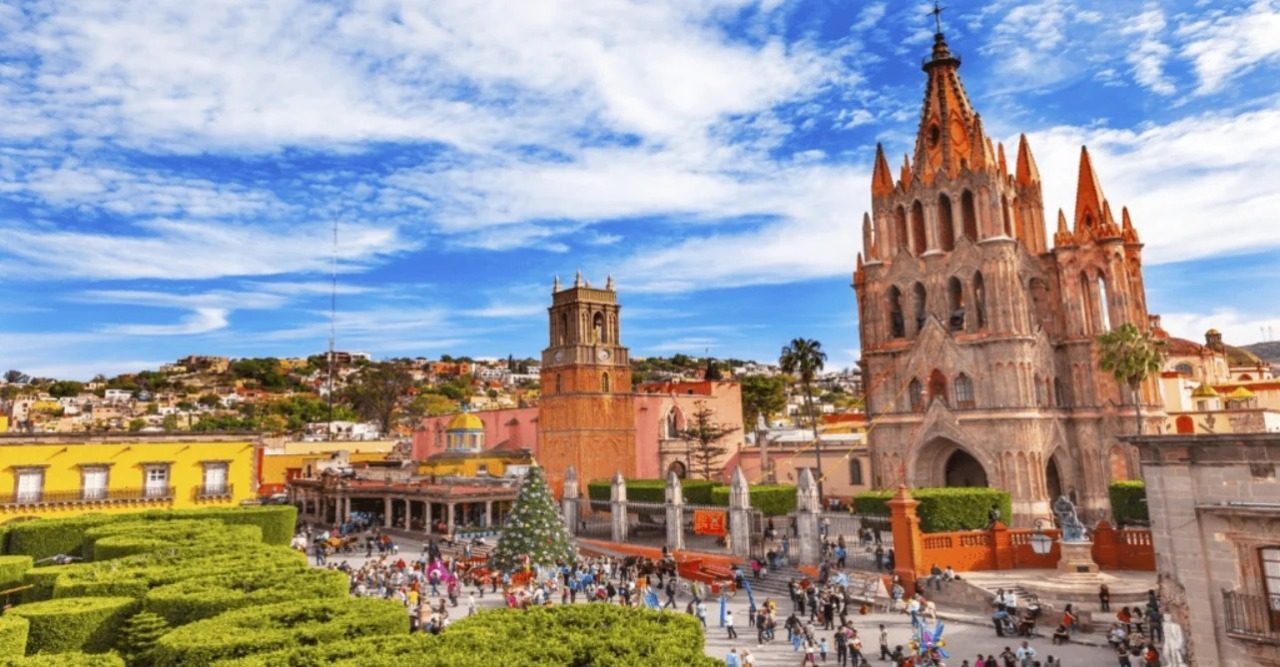
San Miguel de Allende’s historic center is protected, which means the colonial architecture that defines its character is not going anywhere. Properties here feature thick stone walls, interior courtyards, hand-painted tiles, and ironwork balconies that centuries of craftsmanship produced. Buyers who have spent years in cookie-cutter developments tend to find this deeply appealing.
The UNESCO designation also functions as a practical guarantee. It limits the kind of rapid commercial development that has diluted other Mexican destinations. Buyers are not just purchasing a property; they are buying into a city whose aesthetic character is actively preserved. For buyers who paid attention to what happened to Cancún or Playa del Carmen, that distinction matters considerably.
Understanding the Variety of Residential Properties in Mexico
Not every buyer comes in knowing what form of ownership suits them best. The variety of residential properties in Mexico ranges from ejido land and fideicomisos to full-title colonial homes and newly constructed condominiums, and understanding the differences before signing anything is not optional. In San Miguel, most transactions involve full-title deeds held directly by the buyer, which makes the purchase process far more familiar to Americans and Canadians than it is in coastal restricted zones.
That clarity removes a significant barrier for first-time Mexico buyers. They can own their San Miguel property with a deed structured similarly to what they would receive in the United States. Real estate attorneys in the city are accustomed to working with foreign buyers, and reputable agencies take time to explain each step of the process. According to Mexico’s National Institute of Statistics and Geography (INEGI), property transactions involving foreign nationals in Guanajuato state have increased year over year as transparency in the system has improved.
Why the Climate Keeps People Coming Back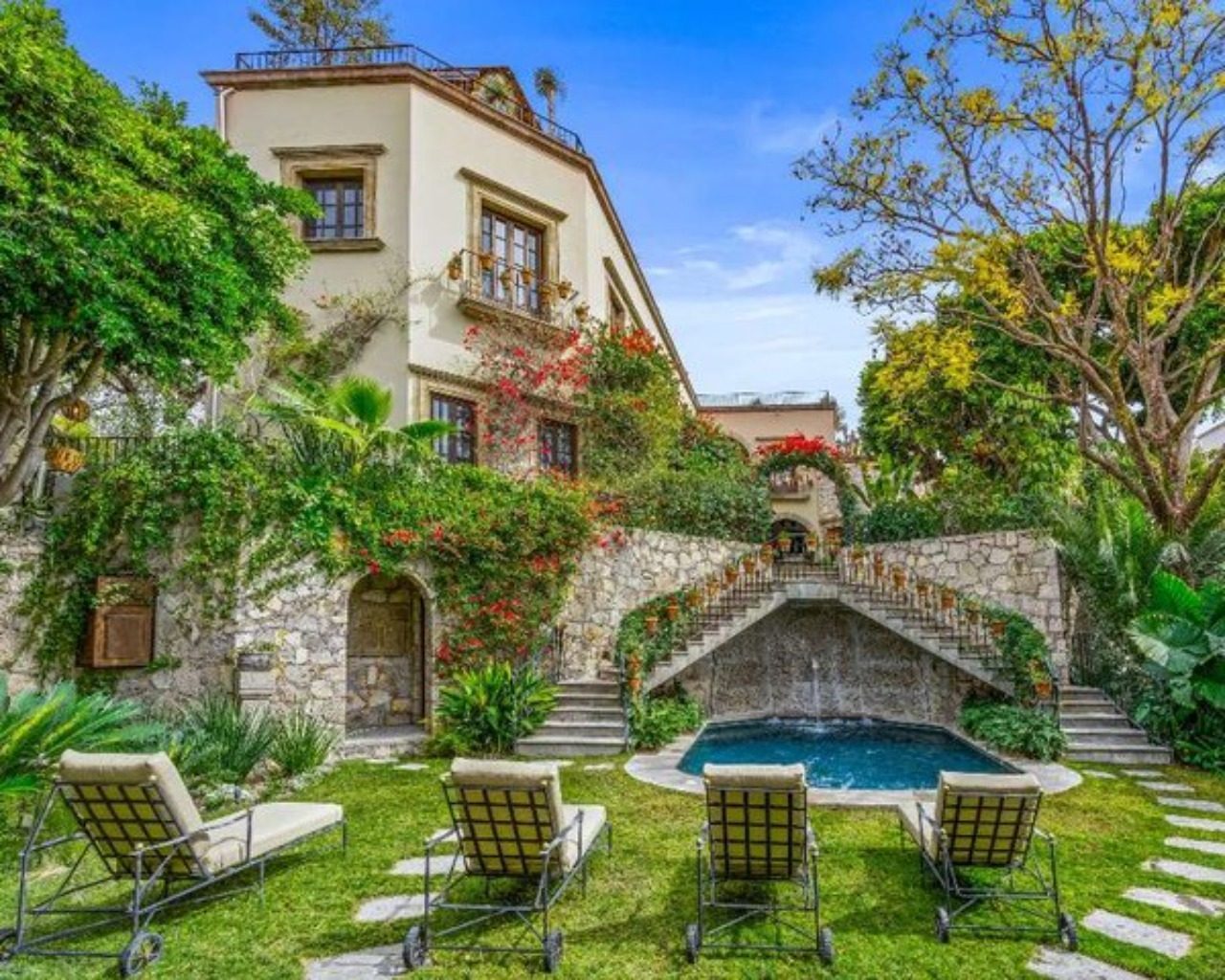
Ask anyone who has visited San Miguel de Allende in February why they started looking for property there, and climate usually enters the conversation within the first minute. The city sits at roughly 6,200 feet of elevation, which gives it temperatures that resist both summer extremes and winter cold. Most afternoons land somewhere between 72 and 78 degrees Fahrenheit. Evenings call for a light jacket and a fireplace, never air conditioning.
For buyers escaping Arizona summers, Minnesota winters, or Ontario deep freezes, this is not a minor selling point. It is the reason many visitors transform into buyers after just one extended stay. The climate also supports a year-round outdoor life: morning walks through the Parque Juárez, weekend markets, rooftop dining, and long lunches in gardens that stay green without much effort.
The Arts, Culture, and Community That Make It Sticky
San Miguel de Allende has hosted a serious arts community since the 1930s, when the GI Bill brought American painters and writers to study at the Instituto Allende. That artistic DNA never left. The city now has over 500 galleries, a thriving theater scene, writing workshops, culinary festivals, and a social calendar that keeps residents engaged without requiring them to travel anywhere else.
For the buyer who fears that retirement in a foreign country means isolation, San Miguel answers with evidence to the contrary. Expat communities here are active and organized, with volunteer programs, language exchange groups, hiking clubs, and charity events running throughout the year. The social infrastructure is unusually strong for a city of 150,000 people, and it is one of the reasons that buyers who make the move rarely leave.
Long-Term Value and What the Market Data Shows
Buyers considering San Miguel de Allende are not just making a lifestyle choice; they are making a financial decision. Property values in the historic center have appreciated steadily for over two decades. The combination of limited inventory, heritage restrictions on new construction, and growing international demand creates conditions that favor long-term holders. The Urban Land Institute has noted that markets with UNESCO protection and strong cultural tourism tend to show above-average residential price stability compared to unprotected resort destinations.
Rental returns also tell a positive story. Short-term luxury rentals in the historic center perform well year-round, driven by destination weddings, cultural festivals, and a reliable stream of international visitors. Buyers who are not yet ready to commit full-time often offset ownership costs meaningfully through professional property management. For the discerning buyer who applies the same standards to a financial decision that they bring to every other high-stakes choice, the numbers tend to hold up.