
When you settle into a luxury vehicle on a Charleston car service run, you’re surrounded by engineering choices made years before the vehicle arrived in your city. The dashboard responds to touch without lag. The climate system adjusts without being asked. Seat memory positions recall themselves from the last booking. These things happen because manufacturers invested heavily in the electronic systems that govern them, and because those systems were built from carefully selected components that went through rigorous testing before a single unit shipped.
Automotive electronics are not accessories added late in the design process. They are integrated from early stages, and the production methods behind them determine everything from long-term reliability to the subtle feel of buttons and switches. The choices manufacturers make on the factory floor – which materials to use, how to mold the housing for a sensor module, what level of precision to build into the tooling – eventually show up as the texture of the experience inside the cabin. That connection between manufacturing and passenger comfort is worth understanding, especially for anyone who thinks carefully about what separates a genuinely premium vehicle from one that simply looks the part.
How Plastic Components Power Today’s Vehicle Electronics
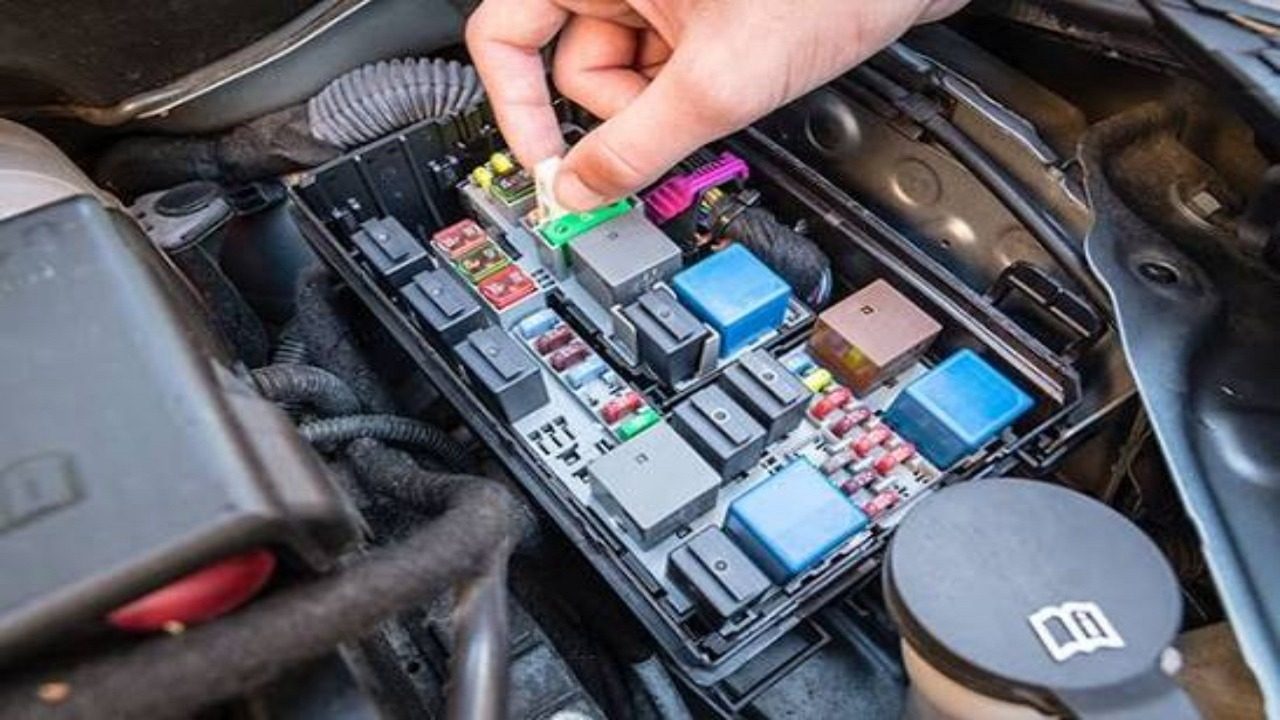
Every modern vehicle contains hundreds of molded plastic housings, brackets, and enclosures that protect sensors, control modules, camera systems, and wiring connectors from heat, moisture, and vibration. These are not generic parts. They are engineered to tight tolerances, and the volume production method behind them is plastic injection molding for electronics, a process that forces molten polymer into precision-machined cavities to produce complex, repeatable shapes at scale.
A single vehicle can contain thousands of individual plastic parts produced this way – from the housing around the engine control unit to the clips and brackets that route wiring through door panels. The plastic is selected for its dielectric properties, heat resistance, and compatibility with adhesives used in final assembly. Getting this right separates a control module that lasts 200,000 miles from one that fails at 60,000. According to the NHTSA’s assessment of automotive electronic control systems, reliability standards for automotive electronics are considerably more demanding than those for consumer electronics – every component carries a performance margin built for temperature extremes, vibration loads, and moisture exposure that a smartphone will never encounter.
Why Tooling Investment Determines Long-Term Manufacturing Quality
One factor that separates premium automotive suppliers from budget-tier ones rarely appears in any vehicle brochure. The injection molding tooling cost – the expense of machining the steel or aluminum molds used to produce plastic components – is where manufacturers make a decision that shapes every part that comes off the production line. A cheaper mold produces parts with wider dimensional variance. A precision mold holds tolerances far tighter, which translates to better fits, fewer assembly failures, and components that don’t develop rattles or tolerance stack-ups over years of use.
For manufacturers producing millions of vehicles, the upfront tooling investment spreads thin across the production run. For suppliers working on smaller runs – specialty vehicles, premium trim levels, low-volume chassis variants – the economics are harder, and the temptation to reduce tooling investment is real. Luxury vehicle programs tend to resist that pressure. The precise snap of a switch, the absence of wobble in a climate control knob, the panel gap that stays consistent across a decade of use – these details all trace back to mold quality, and they are precisely the details that distinguish a vehicle passengers describe as solid from one that feels cheaply assembled despite carrying a premium badge.
Sensors, Control Units, and the Hidden Logic of a Luxury Ride

A modern luxury vehicle contains between 50 and 100 individual electronic control units, each governing a specific function: engine management, transmission behavior, suspension tuning, ride height, infotainment, active noise cancellation, parking assistance, and lane keeping. These systems communicate over internal data networks at speeds and data volumes that would have seemed impractical in any commercial vehicle 20 years ago. Passengers feel none of the complexity, which is exactly the point.
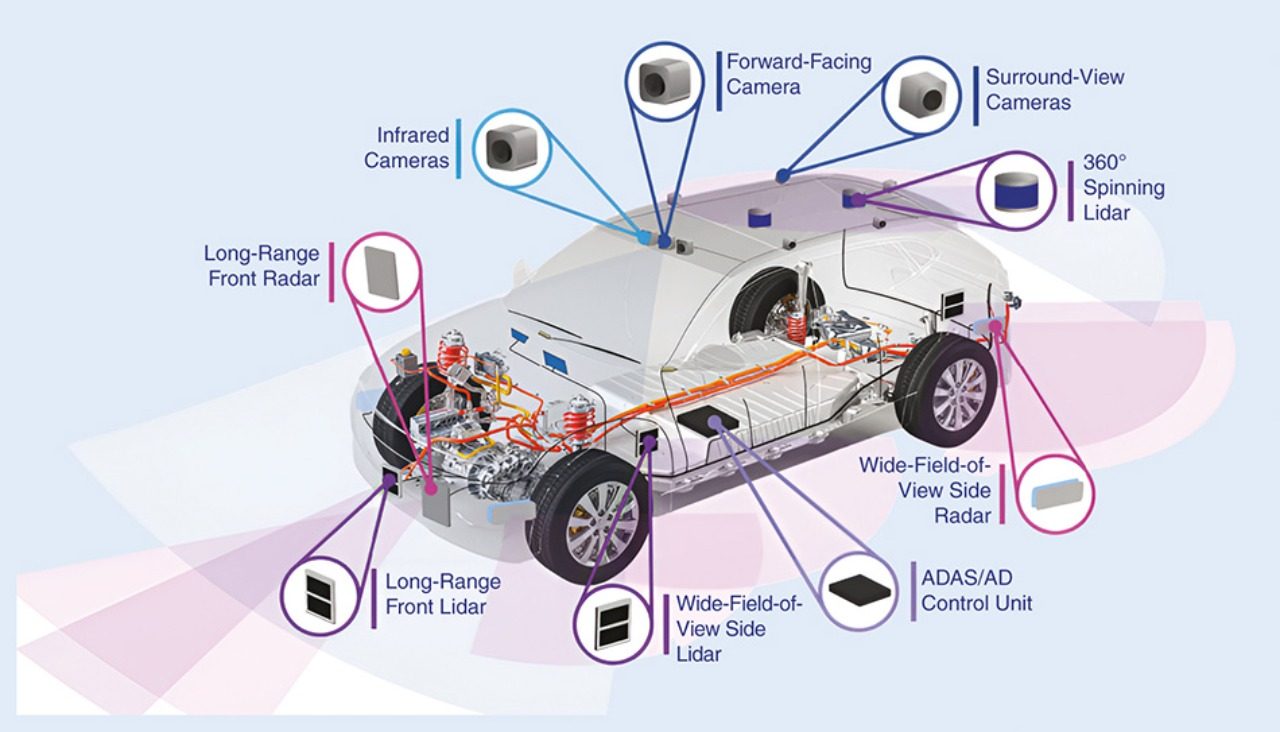
The sensors feeding these control units are equally numerous. Pressure sensors in brake lines, temperature sensors throughout the drivetrain, ultrasonic sensors in bumpers, optical sensors monitoring driver attention, rain sensors that begin adjusting wiper speed before the driver consciously registers moisture on the glass. Each sensor requires its own housing, connector, and sealing solution. The Department of Energy’s work on advanced vehicle components illustrates how much ongoing federal investment still flows into improving these systems – the engineering behind a luxury vehicle’s sensing layer is not finished, but an active area of development with real industrial stakes.
What Comfort Features Actually Cost to Engineer
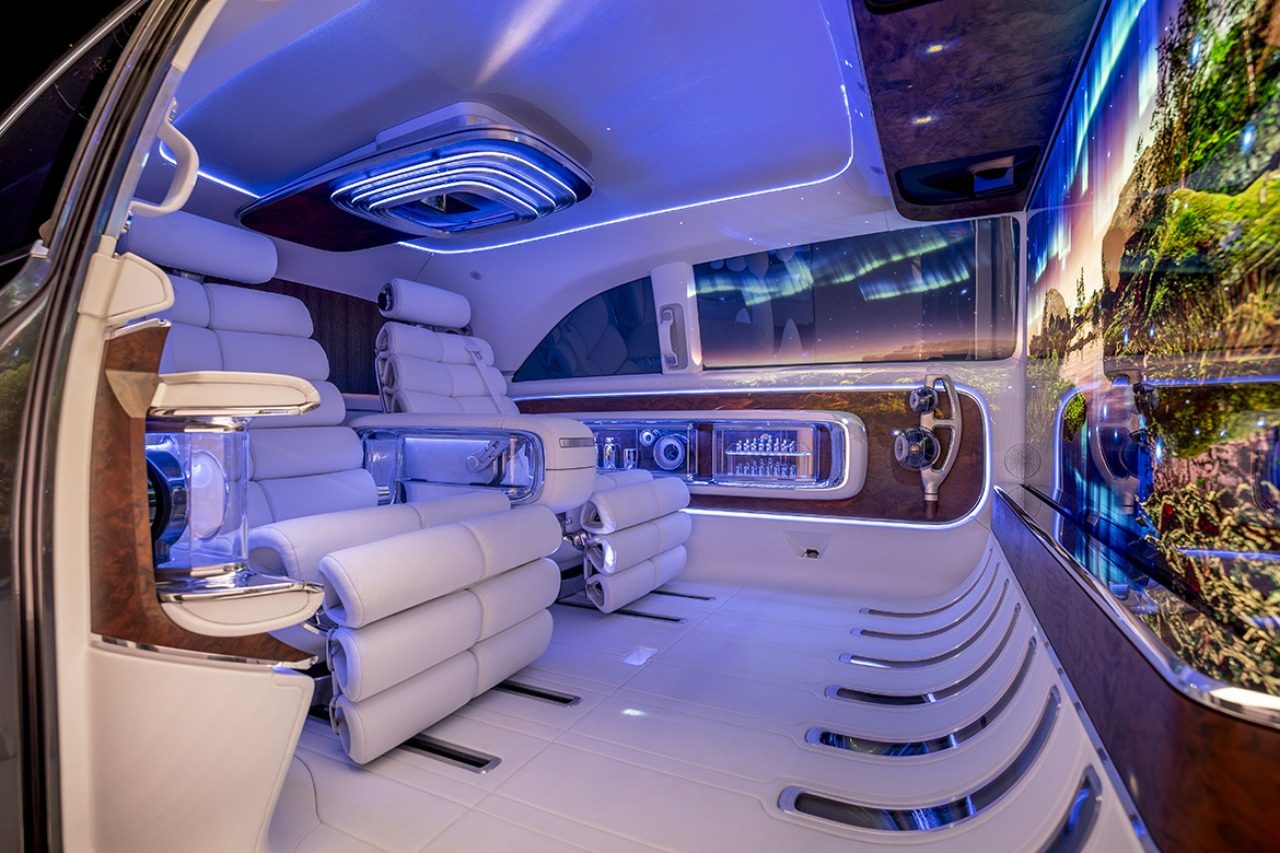
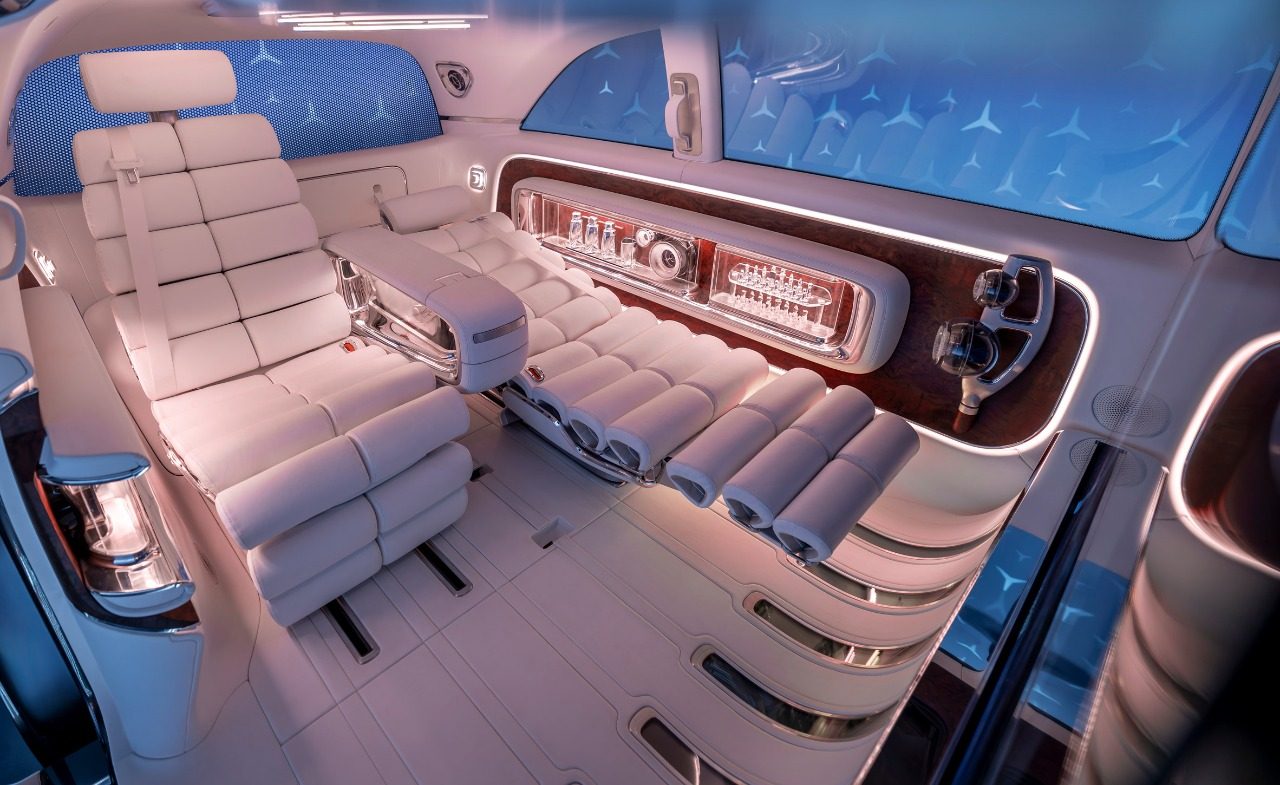
Heated and ventilated seats, massaging lumbar systems, ambient lighting with tunable color temperature, acoustic glass that attenuates road noise at specific frequencies – each of these requires its own subsystem: a controller, dedicated wiring, sensors, and in some cases actuators designed to survive over a decade of daily use in a moving vehicle. The acoustic isolation work alone is substantial. Vehicle manufacturers spend considerable time in the design phase modeling how sound enters and propagates through the cabin structure, then engineering countermeasures at each entry point: laminated glass formulations, precisely targeted sound-deadening materials applied during body assembly, and in higher trim levels, active noise cancellation systems that generate inverse waveforms through the audio speakers to reduce low-frequency road noise at the passenger’s ear.
None of these solutions appear as line items on a price sticker. They exist as part of the character of the vehicle. Passengers who experience that quality of quiet on a longer airport transfer often describe it as the car simply feeling solid and well-built – without recognizing that what they’re perceiving is the combined outcome of hundreds of engineering decisions, each made to solve a specific acoustic or vibration problem. The materials, geometry, and software all contribute. None of it is incidental to the design.
Why Vehicle Electronics Matter to Anyone Choosing Luxury Transportation
For someone booking a car service, the quality of the vehicle’s electronics is rarely the stated reason for the choice. People select premium ground transportation for reliability, comfort, and professionalism. But the electronics are what deliver reliability in practice. A vehicle with well-engineered control systems and high-quality components is less prone to developing faults, easier to diagnose when something does go wrong, and more consistent across a wide range of operating conditions – whether that’s a cold morning airport run or an afternoon in stop-and-go city traffic.
The operational reality is that a transportation company running a well-maintained fleet of late-model luxury vehicles is implicitly investing in everything covered in this article: the precision-molded housings, the tooling quality behind them, the sensor networks, the software-driven comfort and safety systems. Passengers in Charleston who choose premium ground transportation benefit from manufacturing decisions made years before the vehicle arrived in the city. That is what separates a vehicle engineered for genuine comfort from one that merely markets itself as such.