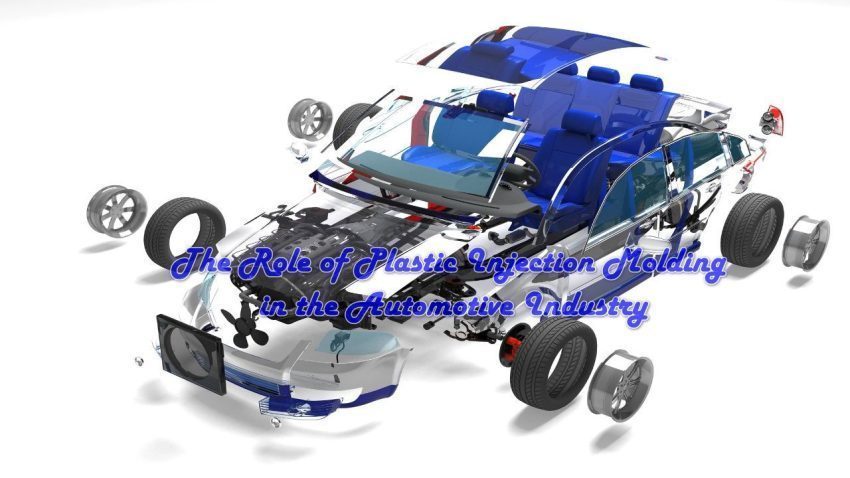
Walk into any modern car, and you’re surrounded by plastic parts—from the dashboard and air vents to door panels and buttons. These parts aren’t just chosen for style or cost; they’re made with precision and strength to meet high safety and quality standards. Companies like Beyonics Manufacturing have played a major role in producing these components efficiently, thanks to advanced plastic production techniques.
One of the most important methods used today is Injection Molding. This technique helps car manufacturers make strong, lightweight, and detailed plastic parts at scale. But how does it actually work, and why is it so essential in the automotive world? Let’s explore the many ways plastic injection molding supports the cars we drive every day.
What Is Plastic Injection Molding?
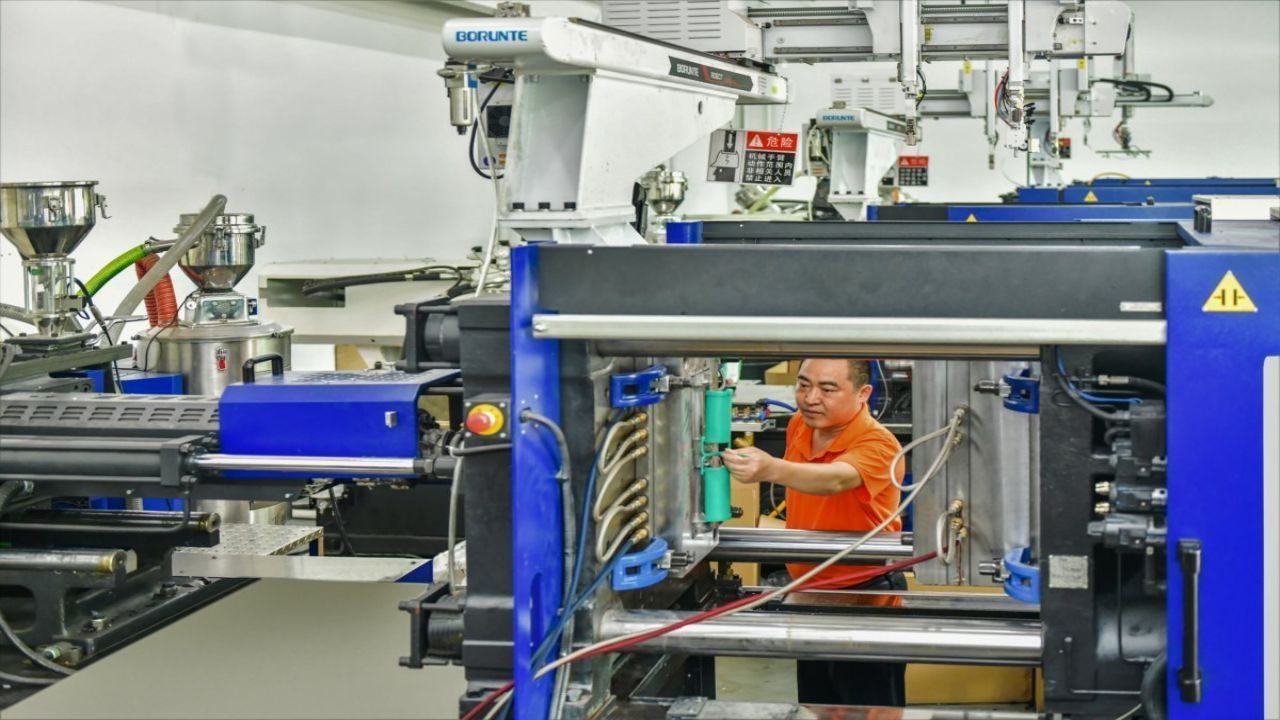
Plastic injection molding is a method where melted plastic is injected into a mold. Once it cools and hardens, the plastic takes the exact shape of the mold. This process allows companies to make complex parts quickly and with great accuracy. It’s perfect for making thousands or even millions of the same part, like car door handles or dashboard clips.
In the automotive industry, this method is valuable because it saves both time and money. The molds can be reused over and over, and each part comes out looking exactly the same. This helps carmakers keep quality consistent. Plus, the machines can run around the clock, increasing production speed and reducing labor costs.
Why Plastic Is Important in Cars
Plastic isn’t just about making cars look nice—it actually improves how cars perform. Today’s vehicles are designed to be lighter, which helps them use less fuel. Plastic is much lighter than metal but still strong enough for many parts of a car. Using plastic also helps cut down on manufacturing costs.
Besides saving weight and money, plastic resists rust, handles heat well, and can be molded into complex shapes that metal can’t match easily. This flexibility lets designers add more comfort, safety, and style to the car. It also helps in reducing noise and vibration inside the vehicle, making rides smoother and quieter.
Interior Components Made by Injection Molding

Look inside a car, and you’ll see many parts that were likely made through injection molding. The dashboard, cup holders, air conditioning vents, and even buttons are all commonly produced using this method. Each piece is carefully designed to fit perfectly and look clean and polished.
These parts not only serve a functional purpose but also contribute to the overall experience of the driver and passengers. Molding allows manufacturers to add textured surfaces, custom colors, and even soft-touch finishes that make the interior feel high-end. This process also ensures that every part matches perfectly, avoiding gaps or misalignment.
Exterior and Under-the-Hood Applications
Plastic injection molding isn’t limited to the inside of the car. It’s also used to create exterior components like bumpers, grilles, mirror housings, and even light casings. These parts need to be tough enough to handle the weather, road debris, and general wear-and-tear.
Under the hood, molded plastic parts help manage wiring, hold components in place, and support fluid systems. Plastic can handle high temperatures and resist chemicals, which makes it ideal for engine bay parts. This reduces the use of metal and allows more innovative designs that save space and weight without sacrificing performance.
Advantages for Automakers and Consumers
One big advantage of plastic injection molding is how customizable it is. Carmakers can change designs, colors, or finishes without changing the whole process. This flexibility helps create new models faster and more affordably. For consumers, this means more variety and more features in every car.
Another benefit is durability. Plastic parts made through injection molding are built to last. They resist scratching, fading, and cracking, which keeps the car looking newer longer. Plus, with improved recycling methods, many of these plastic components can now be reused or repurposed, making them better for the environment.
The Future of Plastic Injection Molding in Cars
The automotive industry is changing fast. Electric vehicles, smart interiors, and advanced safety systems all rely on precision-made parts. Plastic injection molding will continue to play a big role in producing the lightweight, complex, and durable parts these vehicles need.
As new materials like bio-based plastics and recycled plastics become more common, molding techniques will adapt to support greener car production. Companies will also keep improving mold-making technology, making it faster and more accurate. This means better parts, more design freedom, and even lower costs in the future.